These days, attend any K-pop concert – whether it’s Blackpink or BTS – and you’ll find a crowd of diverse fans coming from all over the world and singing along, even though the songs are primarily in Korean. It’s a telling symbol of South Korea’s push to diversify and reboot its economy through the global spread of Korean culture – also known as “Hallyu” or the Korean Wave. Yet, despite today’s outsized international interest in K-culture, one facet that some new, eager fans haven’t been able to fully enjoy is K-beauty.
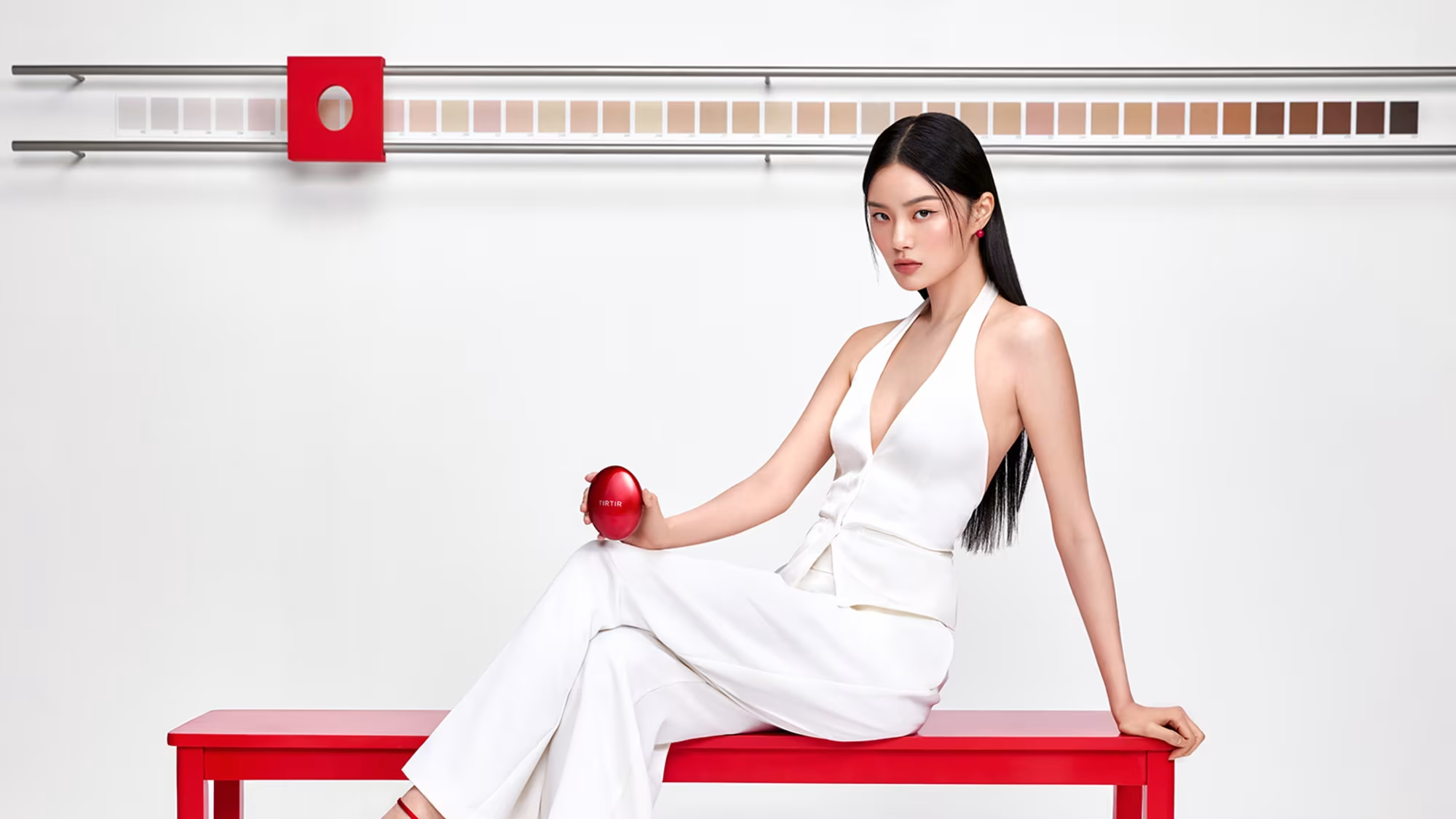
Despite being one of the nation’s top cultural exports, K-beauty has struggled at times to cater to a broad demographic. When it comes to concealers, foundations and other makeup products by Korean beauty brands, the shade range has historically been limited, focusing on light-to-medium skin tones. They’re also almost exclusively promoted by thin, young, extremely fair-skinned models. It’s a narrow approach that is arguably outdated amid the progress made by global beauty companies, where inclusive marketing and product design have become essential to customer loyalty and revenue.
It also feels at odds with the advancements made by K-pop idols in challenging stereotypes. From the colorful, floppy hairstyles of Korean boy band Stray Kids, or the non-binary wardrobes of trailblazing singers like G-Dragon of Big Bang and Seonghwa of ATEEZ, K-pop’s male idols have long fostered diverse expressions of masculinity. They have no qualms about wearing clothes largely viewed as feminine – like skirts, corsets or heels – and openly use makeup and skincare. (Indeed, BTS members V and Jungkook were last year appointed ambassadors for Korean makeup brand Titir, and Chanel Beauty, respectively.) They also often express vulnerability and emotion, challenging traditional Western associations of manhood with stoic toughness.
Yet diversity and inclusivity in the country more generally have lagged. A 2025 report by South Korea’s Ministry of Culture, Sports and Tourism found that just over 38% of respondents (4,974 adults nationwide) did not know what cultural diversity meant. Meanwhile, 54% had developed stereotypes or prejudices against certain cultures or groups through media.
Leave a Reply